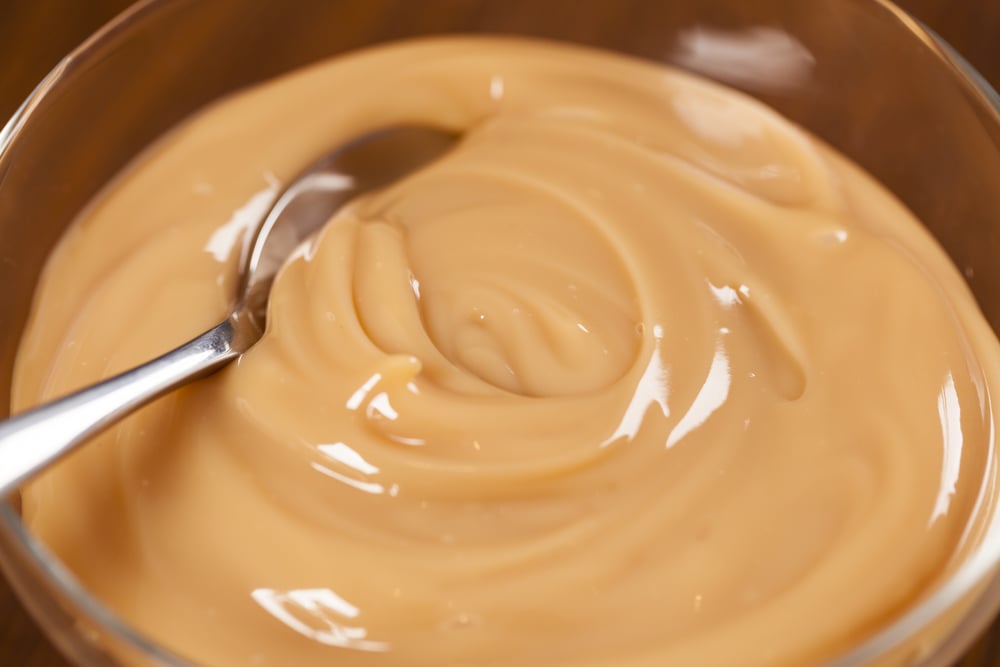
Dulce de leche is a popular desert in Latin American and South American countries such as Uruguay and Argentina. It is eaten at any meal of the day, as it is put on breakfast foods such as pancakes, it helps in making cakes and it is used in ice cream. Dulce de leche has many wonderful uses.
Dulce de leche is simply caramelized milk. The simplest method of doing this utilizes milk, vanilla and sugar. Other methods include adding cream or using natural sweeteners. Dulce de leche has many qualities of caramel, but it is very gooey.
The gooeyness of dulce de leche is seen when it is eaten or used at room or cold temperatures. When the food gets hot, however, it becomes a liquid. It also has the potential of changing in flavor or color, for example.
Argentina and Uruguay are actually the only countries in South America that call this decadent treat dulce de leche. Other countries do have it, including Chile, Colombia and Peru, but they call it by other names. Argentina tried to achieve first rights by calling it a cultural heritage. Uruguay beat them to the chase, however, as they called it the Gastronomical Heritage of the Rio de la Plata.
Dulce de leche goes back to the time of the nineteenth century. There are many debates over where exactly it came from, however, with several Latin American claiming their own heritages. It is not only countries in Latin America that claim heritage, however, as some European and Asian countries claim it was their idea first.
France believes that Napoleon’s cook was the first to invent this decadency. They believe that the cook “burnt” milk and sugar, causing dulce de leche to be the result. Daniel Balmaceda, a historian, believes that Indonesia initially created this desert. He believes that Indonesians brought the dessert with them to the Philippines in the 1500s. When the Spanish invaded the Philippines, they took the recipe back with them to Latin America to spread around the world.
Wherever the dessert came from, it came with many years of evolving and creating the recipe to reach perfection. When the dessert reached the Americas even, it seems that it had gone through many years of evolving already. The dessert and ingredient continues to evolve even today as well.
Today, it is true that individuals still use dulce de leche on breakfast foods. It is also true that people still use dulce de leche as an ingredient in foods such as cakes and ice creams. This product, however, has even been brought into the commercial light and into global brands. Cookie brands and cereal brands, for example, have brought the ingredient into their products.
Dulce de leche has become so important across the world, however, especially in Latin and South America, that there is a Dulce de Leche Day every year. October 11 is the day to celebrate this decadency worldwide. You can find it in its truest form in abundance in countries such as Uruguay by visiting bakeries, restaurants and retail stores.